Fuel Cells

Proton Exchange Membrane (PEM) fuel cells are a clean energy technology that generates electricity by converting hydrogen and oxygen into water. At the core of this technology is the gas diffusion layer (GDL) that plays a crucial role in the fuel cell's overall performance. The gas diffusion layer provides mechanical support between the flow field and the catalyst layer, facilitates the reactant (gas) transport while managing the product (water) removal, and conducts both heat and electrons from the catalyst layer. The GDL is a porous and highly conductive material, typically carbon paper, that is specifically engineered to provide the best balance between mechanical, electrical, and thermal properties and gas/water permeability making it a critical component for high efficiency fuel cell operation.

Carbon Felt

Learn More

Molded Graphite Laminates

Learn More

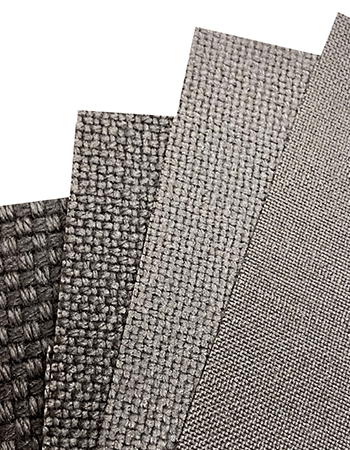
Carbon Fabrics

Learn More

Ask an Expert

AvCarb has the experience and expertise to help solve your most important Engineered Carbon challenges. Please contact us so we can help you find what you need!
Connect with an AvCarb Expert Now!

The Importance of Woven Carbon Frictions

Introduction

In the ever-evolving landscape of automotive engineering, the demand for higher performance, greater fuel efficiency and improved durability has driven manufacturers to innovate continuously. One of the most significant yet often overlooked advancements is the development and integration of woven carbon frictions within torque converters. Introduced in model year 1996, this material has since become a key component in modern transmissions, with...


Click here to learn more.

This will close in 10 seconds

YouTube
LinkedIn