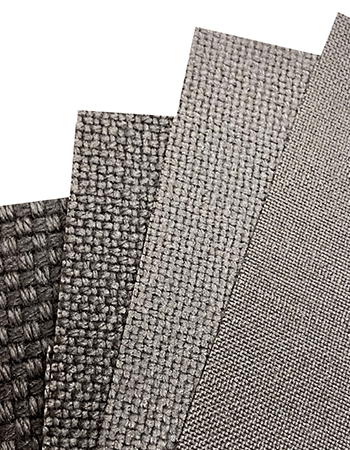
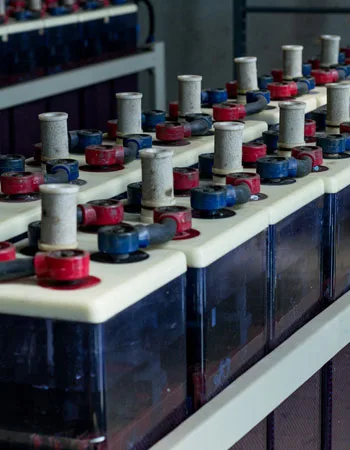
AvCarb offers a range of products designed for use in chemical processes, leveraging the unique properties of carbon materials to enhance efficiency, durability, and performance. AvCarb materials are used as electrodes in the chlor-alkali process where the corrosion resistance and conductivity make them ideal for the harsh environment or in capacitive deionization cells where their hydrophilicity and electrical conductivity aid in the adsorption of ions on their surface, helping to purify water. Whether used for their chemical stability, electrical conductivity, or high surface area, AvCarb products enhance the effectiveness of chemical processes, and their unique properties make them valuable wherever precise control over chemical reactions and environmental protection are critical.
AvCarb offers a range of products designed for use in chemical processes, leveraging the unique properties of carbon materials to enhance efficiency, durability, and performance. AvCarb materials are used as electrodes in the chlor-alkali process where the corrosion resistance and conductivity make them ideal for the harsh environment or in capacitive deionization cells where their hydrophilicity and electrical conductivity aid in the adsorption of ions on their surface, helping to purify water. Whether used for their chemical stability, electrical conductivity, or high surface area, AvCarb products enhance the effectiveness of chemical processes, and their unique properties make them valuable wherever precise control over chemical reactions and environmental protection are critical.
Chlor-Alkali Electrodes
Capacitive Deionization

